16 June 2026
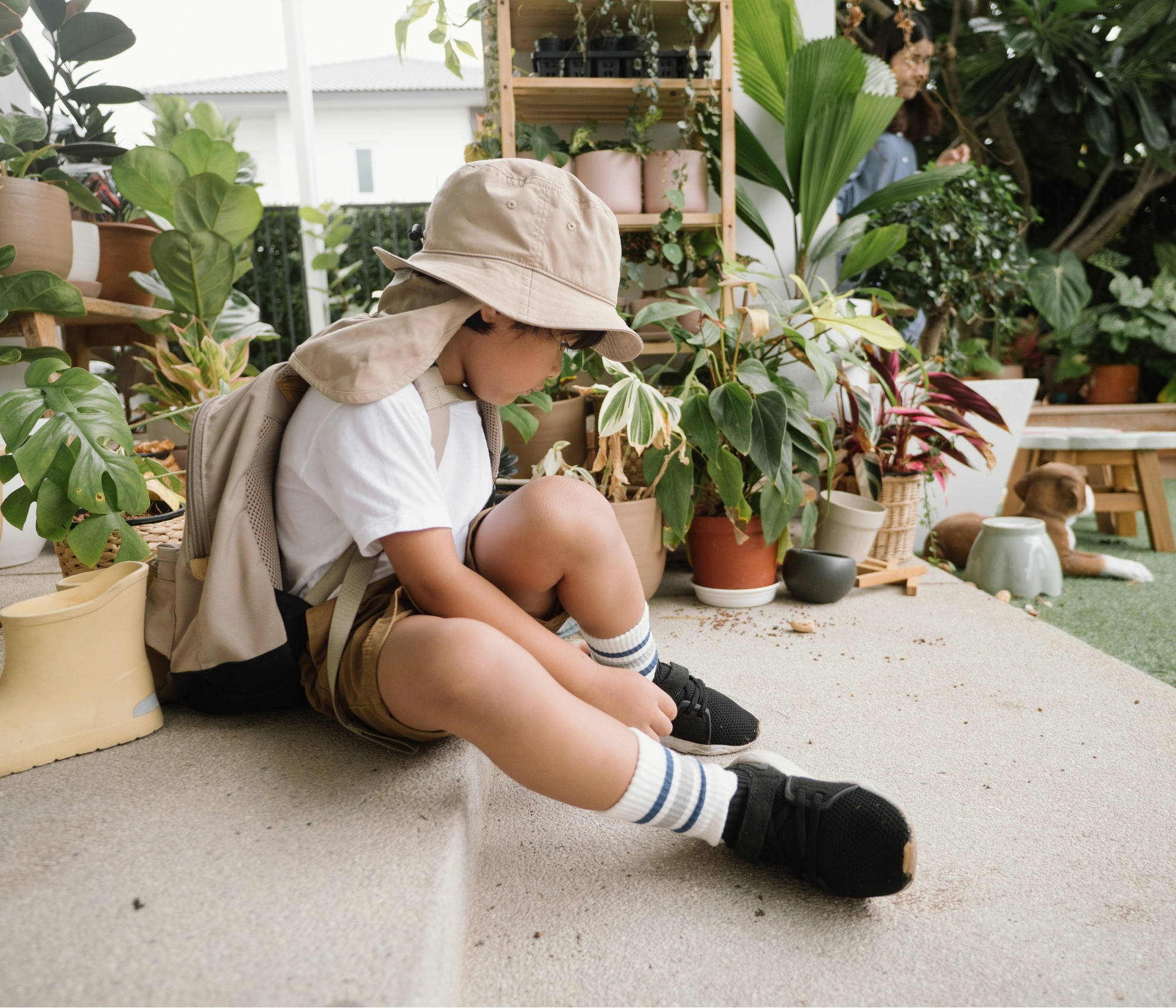
If you’ve ever found yourself calling out, “Shoes, bag, lunchbox!” multiple times before 8am, you’re certainly not alone.
For many families, the morning routine can feel like one of the most stressful parts of the day. There are lunches to pack, uniforms to find, teeth to brush, bags to organise, and everyone trying to get out the door on time.
It’s easy to look at the chaos and wonder:
“Why is this so hard?”
Over the years, I’ve come to see the morning routine as one of the most revealing windows into a child’s development.
Not because it shows us what a child won’t do.
But because it shows us what they’re still learning to do.
The Hidden Complexity of Getting Ready
As adults, we often think of getting ready for school as a simple task. But when we break it down, it actually requires a remarkable number of skills working together at the same time.
A child needs to:
- Wake up and shift from sleep to alertness
- Remember what needs to be done
- Organise themselves and their belongings
- Move from one task to the next
- Manage distractions
- Cope when something doesn’t go to plan
- Regulate emotions and frustration
- Keep track of time
For many children, these skills are still developing.
This is where executive functioning comes in.
Executive functioning refers to the brain-based skills that help us plan, organise, remember information, manage attention, initiate tasks, solve problems, and regulate ourselves.
These skills don’t develop overnight. They emerge gradually throughout childhood and adolescence, becoming stronger with experience, practice, and support.
Looking Beyond the Behaviour
When children struggle during the morning routine, it’s easy to focus on what we can see.
The forgotten lunchbox.
The child staring out the window instead of getting dressed.
The repeated reminders that seem to go nowhere.
But sometimes what looks like a behaviour problem is actually a skill-development challenge.
What looks like not listening may be a child struggling to hold multiple instructions in mind.
What looks like dawdling may be a child finding it difficult to get started.
What looks like defiance may be a child whose nervous system is already feeling overwhelmed before the day has even begun.
When we understand this, it doesn’t make the morning rush disappear.
But it can change the way we respond.
From Frustration to Curiosity
One of the most powerful shifts we can make as parents is moving from asking:
“Why won’t they do it?”
to asking:
“What support might help them succeed?”
That simple change invites curiosity instead of judgement.
Because children learn these skills through support, practice, and connection. They borrow organisation from us before they can create it themselves. They borrow regulation from us before they can find it on their own.
Supporting Children Through Morning Challenges
Every child is different, but some strategies that can help include:
- Creating visual routines that reduce the need to remember multiple steps
- Preparing bags, uniforms, and lunchboxes the night before
- Breaking tasks into smaller, manageable steps
- Allowing extra transition time where possible
- Reducing unnecessary sensory demands during busy mornings
- Focusing on connection before correction
Most importantly, remember that skill development takes time.
The goal isn’t a perfect morning.
The goal is helping children gradually build the confidence, independence, and executive functioning skills they need to navigate their day.
A Final Thought
If mornings feel particularly hard right now, I want you to know this:
Your child’s struggles during the morning routine are not a reflection of their character.
They are not signs of laziness, carelessness, or a lack of effort.
More often, they are signs of a developing brain learning how to manage an increasingly complex world.
And that’s exactly what childhood is for.
At Motivate Kids, executive functioning, attention, emotional regulation, and participation are at the heart of much of the work we do with children, families, and schools. When we understand what sits beneath behaviour, we can create the support children need to feel capable, confident, and successful in everyday life.
If you’d like to learn more about how occupational therapy can support your child’s development, we’d love to connect.