29 June 2026
It’s that time of the year. The days feel shorter, the school bags feel a little heavier, and any day now a semester report will land in your inbox or at the bottom of a school bag.
Reports are useful. But they only ever tell part of the story.
Because behind every line about focus, effort or “needing a few reminders,” there’s a child who has been working incredibly hard all day – at things most of us never have to think about.

The school day asks for a lot, quietly.
A classroom is a busy place for a growing brain and body. Long before your child gets to the actual learning, they’re already managing:
- Sitting still on a hard chair while their body wants to move
- Filtering out noise, movement and the scratch of a jumper tag
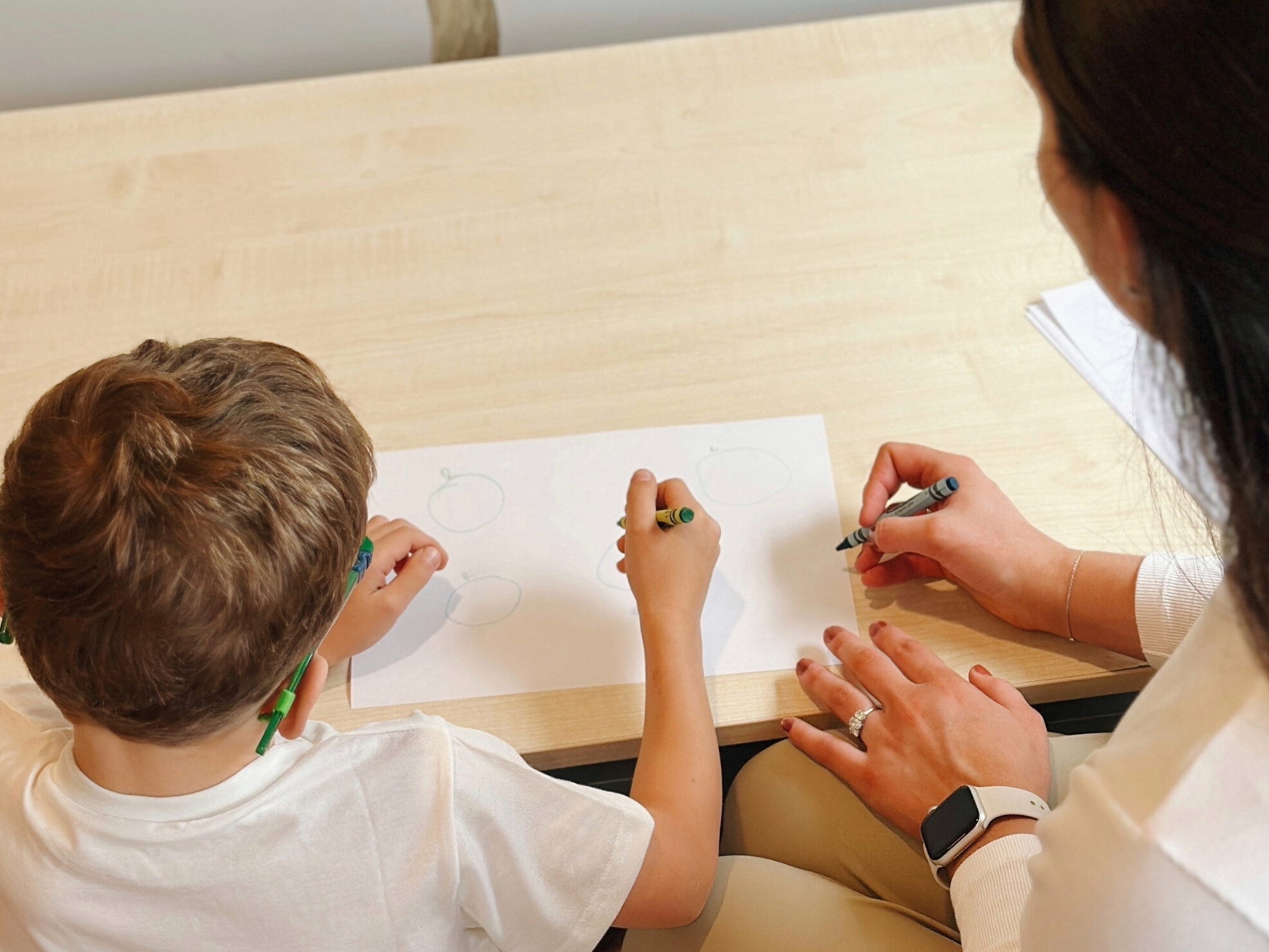
- Holding a pencil steady enough to form letters
- Reading the room – whose turn it is, what the teacher means, when to speak
- Starting a task, remembering the steps, then switching to the next one
None of this shows up on a report. But all of it takes effort, and for some children it takes enormous effort.
So when a child comes home flat, unravels at the school gate, or gets a comment about “not always staying on task,” it’s rarely that they aren’t trying. Often it’s the opposite. They’ve been trying so hard, at so many unseen things, that there isn’t much left over by home time.
If your child’s report flags something this term, it’s easy to read it as a problem with your child. It isn’t.
A report is really a snapshot of how the fit between your child and their environment is working right now – and the environment is something we can adjust. A comment about handwriting, attention or settling in is simply information. It tells us where to look, not who your child is.
Your child isn’t behind.
They’re growing in their own time, in their own way.
When things slow down over the break, it can help to read the report less like a scorecard and more like a set of clues. A few gentle questions to sit with:
- What was my child being asked to do when this came up?
- Is this happening at home too, or mostly at school?
- What helps on the days that go well?
You know your child better than any report ever will, and those answers are often the start of something genuinely useful.
Sometimes the most helpful thing is for your child’s OT to see them where it’s actually happening – in the classroom, out in the yard, on the group mat.
That’s what School Connect is for. At your request, your child’s occupational therapist steps into their learning environment to notice what’s getting in the way, work alongside their teacher, and make sure the same strategies and language follow your child between home and school. It’s collaborative, practical, and built around the child you already know.
If this term’s report left you with questions, the winter holidays can be a good moment to start asking them. We’re here to walk with you every step of the way.