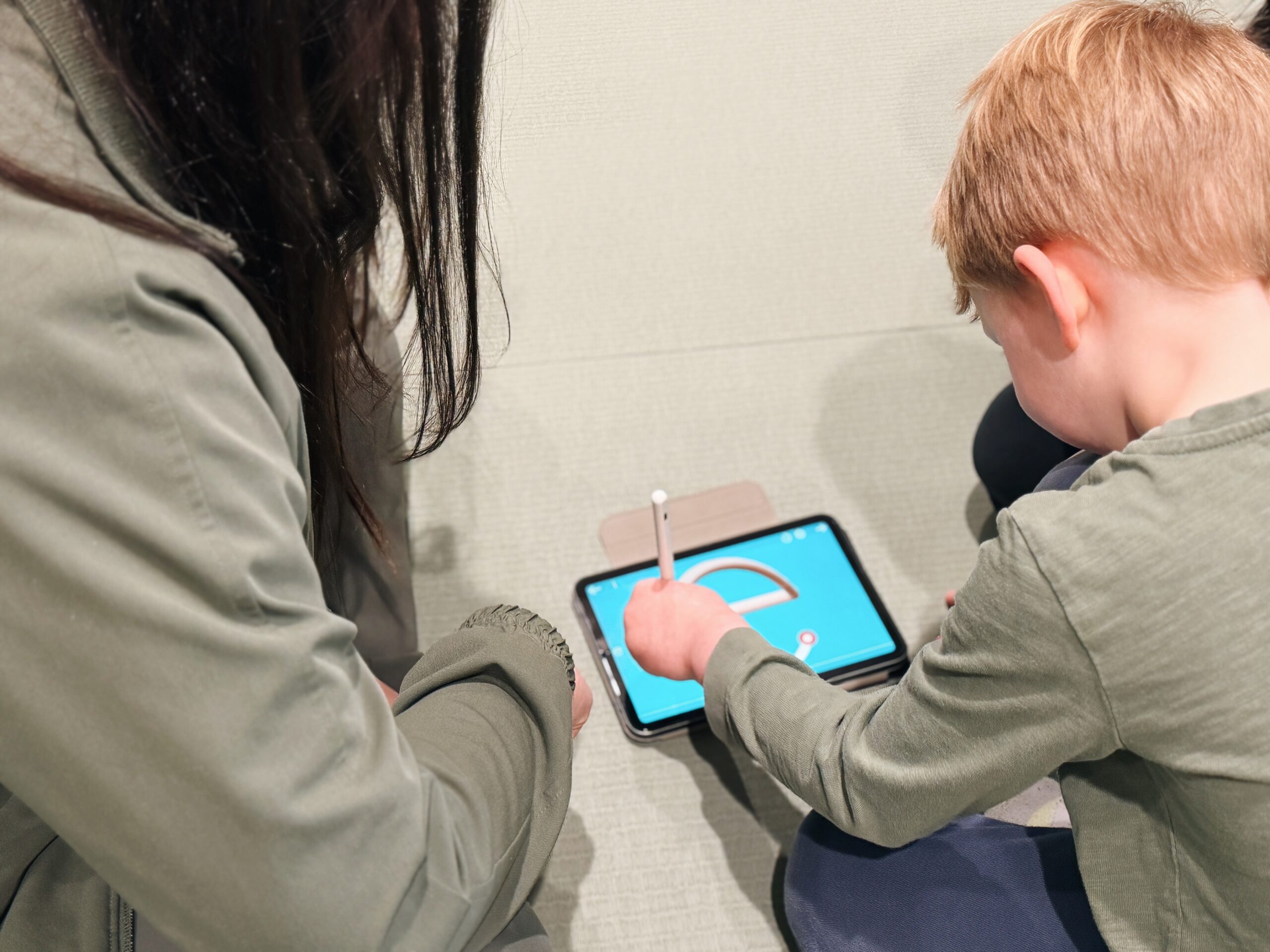
Some of the most important parts of childhood happen at home.
Morning routines, getting dressed, mealtimes, play, getting ready for school, winding down at bedtime. Home is where so much of everyday life happens.
Sometimes, seeing your child within these familiar routines can give their OT a different perspective on what is supporting them and what might be making participation harder.
Home Connect brings your child’s OT into your home for a consultative visit, helping us understand what everyday life looks like for your family and explore practical supports that fit naturally into the way you already live.
Seeing Everyday Life in Context
During a Home Connect visit, your OT spends time understanding the routines or everyday moments you’ve identified together as important. They can observe what’s happening, explore the environment with you and work alongside you to try practical strategies in the moment.
-
Observe your child within relevant everyday routines and activities
-
Explore what within the environment may be supporting or getting in the way of participation, independence and regulation
-
Work alongside you to try practical strategies and adjustments within the routines that matter to your family
-
Share practical recommendations and bring what we learn back into your child’s ongoing therapy
What might we look at?
Every family is different, so a Home Connect visit starts with what matters most to yours.
This might include morning or after-school routines, getting dressed, mealtimes, toileting, sleep routines, regulation, play or moving between different parts of the day.
Rather than trying to change everything, we look at what is already working and where small, practical adjustments could make everyday life feel more manageable.
A focused visit, with everyday life in mind.
Home Connect is a consultative visit designed to complement your child’s ongoing therapy at Motivate Kids. It isn’t ongoing therapy delivered in your home.
Your OT will work with you to identify a clear purpose for the visit, then use what they learn to inform practical recommendations and, where helpful, your child’s ongoing therapy.